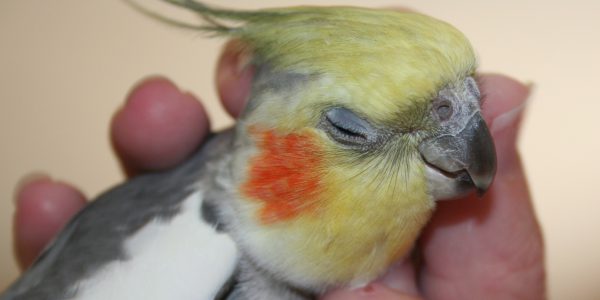
Pastel Cockatiel Mutation Genetics Have you heard of the pastel cockatiel mutation yet. Probably not as the pastel cockatiel is one of the newer mutations, but let’s look at pastel cockatiel mutation genetics in this article. Cockatiel enthusiasts are often intrigued by the delicate beauty of pastel cockatiels. This unique color mutation gives these birds a softer, muted version of the traditional cockatiel hues, making them a visual treat. But what’s the story behind this mutation, and what role does it play in the broader world of bird breeding? The pastel mutation started catching attention among breeders several decades ago. The shift from vibrant to more subdued colors wasn’t just an overnight occurrence but the result of years of selective breeding aimed at achieving a gentler palette. Although some breeders worldwide may label similar mutations differently, the pastel cockatiel has carved out its own niche in the avicultural landscape. For bird lovers considering adding a pastel cockatiel to their home, understanding more than just aesthetics is key. These birds attract families looking for charming, easy-going pets, as well as breeders interested in expanding their flock’s genetic diversity. But it’s important to remember that a bird’s color shouldn’t be the only factor in choosing a companion. The bird’s temperament and health are just as crucial. Pastel Cockatiel Mutation Genetics Genetically, the pastel trait is passed down through generations, modifying the traditional cockatiel coloration in a predictable pattern. However, for those interested in breeding, getting proper advice from experienced aviculturists can make a world of difference. Experienced breeders and avian geneticists offer insights that go beyond what casual observation may suggest. Ethics in sourcing is crucial. When seeking a pastel cockatiel, choosing a breeder or adoption organization with transparent practices is important. Such operations focus on health testing, socialization, and lifelong bird welfare rather than purely the visual appeal of rare or striking colors. This ensures that your new feathered friend is healthy and as happy in their home as you are to have them. Recognizing a Pastel Cockatiel: Feather Color, Individual Variation, and Care Beyond Appearance Pastel cockatiels stand out with their unique feather trait—a softer, diluted version of the typical cockatiel backdrop. Usually, you’ll see lighter shades and less contrast in their normal markings. Feather colors can vary, and things like their cheek patches or wing patterns might not be as pronounced as in other mutations. Keep in mind that what one person calls ‘pastel’ might look entirely different in another bird based on several factors. Variations arise from factors like the bird’s genetics, molting cycle, age, light exposure, and breeder choices. It’s not a one-size-fits-all look, even among similar birds. Want to make sure you’re spotting a pastel correctly? Quality photos in natural lighting help, as do pedigree records if they exist. Plus, looking into feedback from seasoned cockatiel breeders or having a talk with an avian vet can clear up any doubts. It’s about being as sure as you can be about what you’re seeing. Don’t let the soft hues overshadow the true essence of cockatiel care. These birds still require all the attention and care any other cockatiel does—a balanced diet, a comfy cage, regular playtime, and social interactions are all must-haves. Ensure regular check-ups with the vet for your pet to stay in top condition. People sometimes get caught up in the looks, but owning a cockatiel means commitment—noise, dust, and the promise of companionship over their decades-long lifespan. It’s crucial to focus on providing a loving home environment instead of getting swept away by a specific shade of their feathers. Sharing is Caring Share on Facebook Share Share on Pinterest Pin it Share on TwitterTweet Post navigation All About Yellow Cockatiel BirdsThe Emerald Cockatiel Mutation Leave a Reply Cancel replyYour email address will not be published. Required fields are marked *Comment * Name * Email * Website