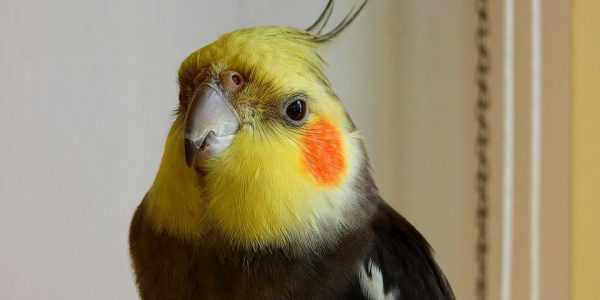
How Smart Are Cockatiels Compared To Dogs Just for fun, let’s explore how smart cockatiels are compared to dogs in general. When you start comparing cockatiels and dogs on the intelligence front, it’s essential to keep in mind that we’re dealing with two wildly different species, both equipped with their own unique set of skills. So, talking about their intelligence in terms of a single IQ score? Not so straightforward. Both birds and dogs are champs in their own right, and animal cognition experts—avian vets, behaviorists, and researchers—are the ones who can offer meaningful comparisons. Intelligence measurement isn’t one-size-fits-all. It’s about recognizing how each animal uses problem-solving, social learning, memory, and their knack for adaptability in their own environments. Cockatiels might wow you with their ability to mimic sounds and routines, use their beaks cleverly, or maybe even shift in social situations by reading flock cues. On the flip side, dogs often shine in human-directed tasks, with their trainability, scent work, and cooperative behavior stealing the show. Dogs might seem to outsmart cockatiels, especially around the house, but consider this: they’ve been bred for thousands of years to work closely with us humans, similar to a personalized pet lineage. Plus, they often have structured training to back them up. But that doesn’t mean cockatiels are any less impressive. Each species is tailored to its evolutionary needs, not a universal smartness scale. So, is one smarter than the other? Not really. Individual variation plays a huge role. Think about the breed or lineage, whether it’s a Greyhound or a Grey cockatiel, their early face-to-face interactions with people, training sessions, and even health factors. Rather than blanket statements, it’s about celebrating what each animal brings to the table. What Smart Behavior Looks Like at Home: Helping Cockatiels and Dogs Thrive Spotting signs of intelligence in your pets can be an eye-opener. With cockatiels, you’re likely to notice them picking up on recall cues, following daily routines like clockwork, or even messing with a puzzle toy to get a treat. They might also show a preference for certain people, and associate sounds or words with different events like a phone ringing or a door knocking. When it comes to dogs, intelligence often means something like hand signals, sniffing out an item hidden behind furniture, or maybe just fitting themselves into the household routine seamlessly. They’re pros at adapting, learning verbal commands, and responding to food-motivated challenges laid out through enrichment activities. Boosting your pet’s smarts is really about the right kind of support—short, fun training sessions that focus on positive reinforcement, a variety of enrichment toys and activities, and ensuring they get enough zzz’s. Social contact is key, so interactions should be genuinely fulfilling for your feathered or furry friend. Punishment-based training? Best skip it for gradual, friendly challenges instead. Don’t make the mistake of expecting cockatiels to act like dogs or vice versa. A cockatiel may never heel at your command, and a dog won’t be belting out tunes like a parrot. They’re both acting according to their own evolutionary grooves, so it’s all about managing expectations to fit the animal, not the other way around. For anyone thinking about bringing a cockatiel or a dog into their lives, it’s crucial to look at what fits your lifestyle—things like care needs, how much noise you’re okay with, your daily schedule, and even your preferred communication style. Picking a pet by intellect alone might not serve either of you well in the long run. And that’s my take on how smart are cockatiels compared to dogs. What’s yours? Sharing is Caring Share on Facebook Share Share on Pinterest Pin it Share on TwitterTweet Post navigation Cockatiel Mutations And How They Came About 2 Comments Does age make much difference in how quickly a cockatiel learns new routines or cues? Dogs are often trained from a young age, but I’m curious if an adult cockatiel that has never had much training can still learn things like recall, simple commands, or puzzle toys just as well. I’d also like to know if older cockatiels usually need shorter sessions or a different approach compared with younger birds. Reply Older birds can be trained, but it is much more difficult. The younger the cockatiels are trained, the better. Reply Leave a Reply Cancel replyYour email address will not be published. Required fields are marked *Comment * Name * Email * Website
Does age make much difference in how quickly a cockatiel learns new routines or cues? Dogs are often trained from a young age, but I’m curious if an adult cockatiel that has never had much training can still learn things like recall, simple commands, or puzzle toys just as well. I’d also like to know if older cockatiels usually need shorter sessions or a different approach compared with younger birds. Reply
Older birds can be trained, but it is much more difficult. The younger the cockatiels are trained, the better. Reply